

New York State’s 2026 homelessness plans include the Housing Access Voucher Program with $50 million funding, the Empire State Supportive Housing Initiative providing $46 million for supportive services, and the Homeless Housing and Assistance Program for affordable housing construction. These initiatives aim to decrease homelessness and promote long-term stability through combined housing and services.More
Category Archives: Medicine
Why talk therapy works

Embark on a transformative journey with talk therapy, where impartial listening creates a judgment-free zone. Experience the power of silence and unconditional positive regard as you unlock insights and emotional clarity.More
Three Approaches to Psychotherapy: The Gloria Films

The Gloria Films, originally named Three Approaches to Psychotherapy, showcase psychologist Gloria’s therapy sessions with Carl Rogers, Fritz Perls, and Albert Ellis. Each therapist employs distinct methods: Rogers uses Person-Centered Therapy, Perls applies Gestalt Therapy, and Ellis practices Rational Emotive Behavior Therapy, emphasizing different strategies for addressing psychological issues.More
When to Take Your Child to the ER for a Fever

Fever in children is common but can indicate serious illness. Infants under 3 months need immediate ER care for fevers above 100.4°F. For babies 3-6 months, seek help for fevers over 102°F. In children 6 months to 5 years, a fever above 103°F requires monitoring, while 6-12-year-olds need ER treatment for fevers over 104°F or concerning symptoms. Always trust your instincts.More
Addressing the U.S. Physician Shortage: A Look at IMGs

The U.S. faces a physician shortage, especially in rural areas, leading states to consider easing licensing requirements for foreign-trained doctors. Some states have initiated faster integration paths for these qualified physicians to address critical healthcare gaps. However, concerns about quality assurance and fairness to U.S.-trained doctors persist. A balanced approach is essential.More
Small Cell vs Non-Small Cell Lung Cancer: Key Differences
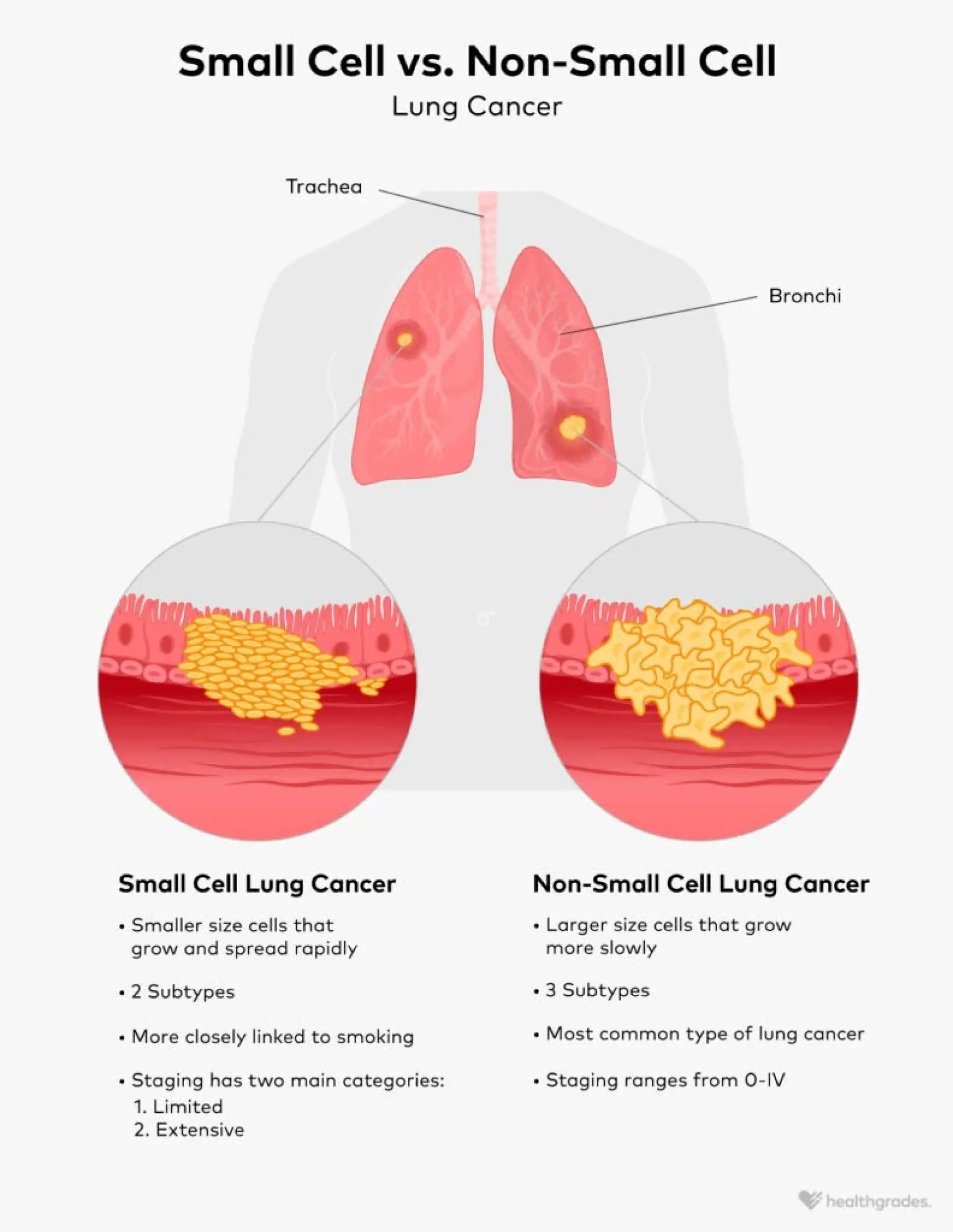
Small cell lung cancer (SCLC) and non-small cell lung cancer (NSCLC) differ in cell type, growth patterns, smoking associations, lung locations, metastasis rates, prognoses, and treatment approaches. SCLC grows rapidly, is linked to heavy smoking, and has a poor prognosis, whereas NSCLC grows slowly, can affect both smokers and non-smokers, and has a better outcome.More
Long COVID: Persistent Challenges Amid Ongoing Research

New York, NY – As the world approaches the fifth anniversary of the COVID-19 pandemic, a significant number of individuals continue to grapple with long COVID, a condition characterized by symptoms persisting for months or even years after the initial infection. Despite advancements in vaccines and treatments, long COVID remains a complex and enduring public…More
Pilocarpine in Emergency Glaucoma Treatment: Key Insights
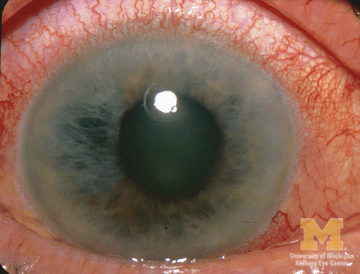
Pilocarpine is a muscarinic agonist that helps in acute angle-closure glaucoma (AACG) by relieving intraocular pressure. Here’s how it works: Mechanism of Action in AACG Why is Pilocarpine Used in Acute Attacks? Limitations & Contraindications Final Note: While pilocarpine is useful in breaking an acute attack, the definitive treatment for AACG is laser peripheral iridotomy…More
Comparing USMLE and AMC multiple-choice question formats

This document presents a clinical scenario of a 55-year-old male with community-acquired pneumonia and pleural effusion. The recommended management involves initiating empiric antibiotic therapy. It contrasts AMC and USMLE question styles, highlighting the latter’s focus on detailed diagnostic interpretation and complex clinical decision-making in patient care.More
Understanding Left Bundle Branch Block in Heart Failure

A 68-year-old man with dyspnea and lightheadedness shows signs of heart failure and left bundle branch block (LBBB) on ECG. Given his symptoms and reduced ejection fraction, the most appropriate management step is Cardiac Resynchronization Therapy (CRT), which enhances cardiac function and alleviates heart failure symptoms.More
 Simon R. Downes