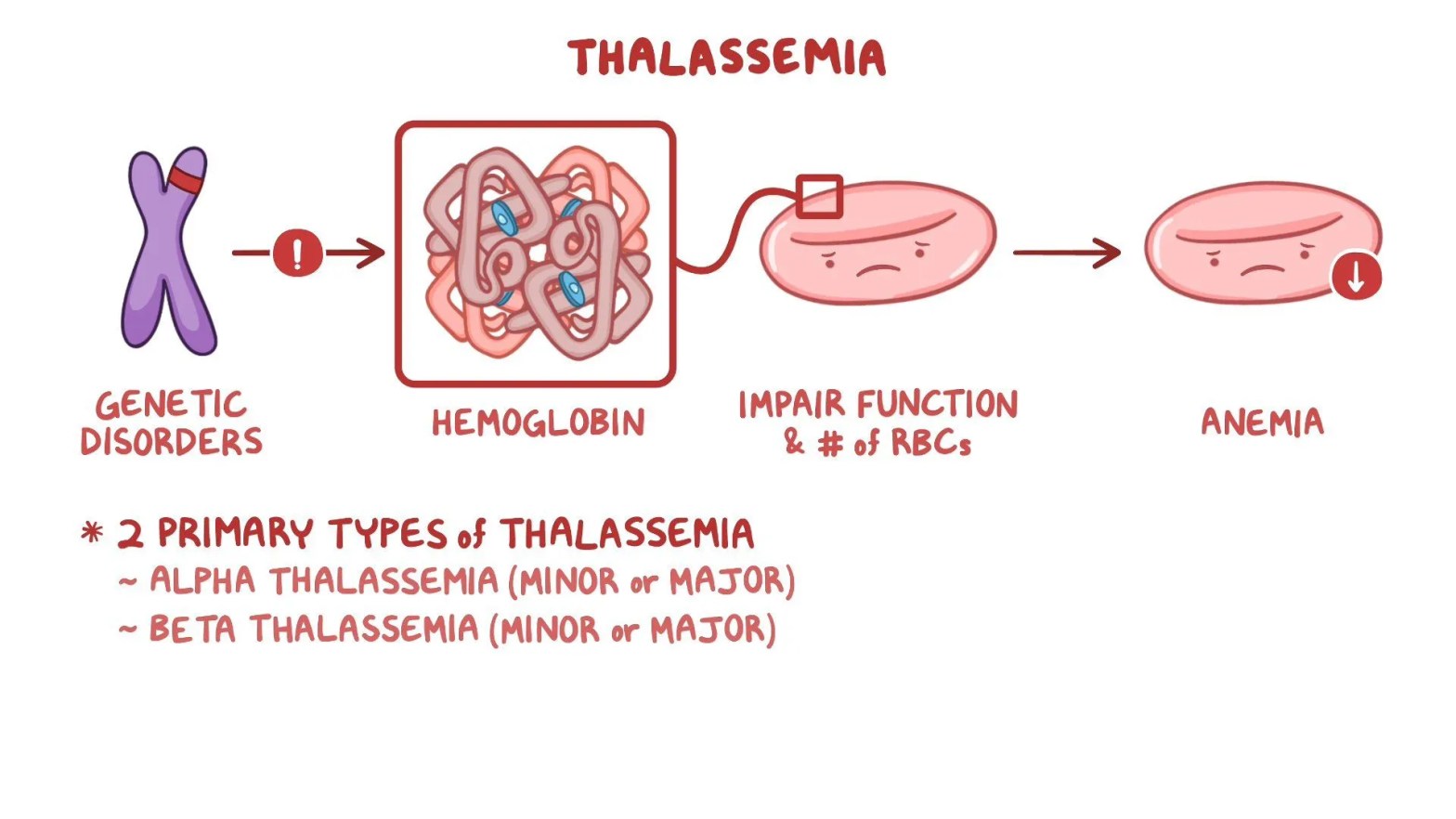
Thalassemia is a genetic blood disorder characterized by reduced hemoglobin production, resulting in anemia. It has two types: Alpha Thalassemia, caused by missing alpha genes, and Beta Thalassemia, due to mutations in beta genes. Symptoms range from mild to severe, necessitating treatments like blood transfusions. Hemoglobin F levels also vary between types.More
Author Archives: Simon Downes, MD, PhD
Medical educator
The Shortage of Psychologists in the U.S.: How Stringent Licensing Requirements Are Holding Back Mental Healthcare

The U.S. faces a critical mental health crisis due to insufficient licensed psychologists, exacerbated by stringent licensing requirements and inadequate residency opportunities. Many qualified professionals cannot practice, resulting in workforce shortages and limited patient access. Reforms such as interstate licensure agreements, reduced training barriers, and expanded telehealth could improve mental healthcare accessibility.More
Understanding Psychotic Disorders: Schizophrenia, Schizoaffective Disorder, Delusional Disorder, Brief Psychotic Disorder and Schizophreniform Disorder Explained

The content discusses various psychiatric disorders with case examples. It highlights schizophrenia as a disorder characterized by delusions and hallucinations; schizoaffective disorder combines psychotic symptoms with mood episodes; delusional disorder involves fixed false beliefs without major impairment; and brief psychotic disorder occurs after stress with short-term symptoms. Schizophreniform disorder falls between schizophrenia and brief psychotic disorder in duration.More
Small Cell vs Non-Small Cell Lung Cancer: Key Differences
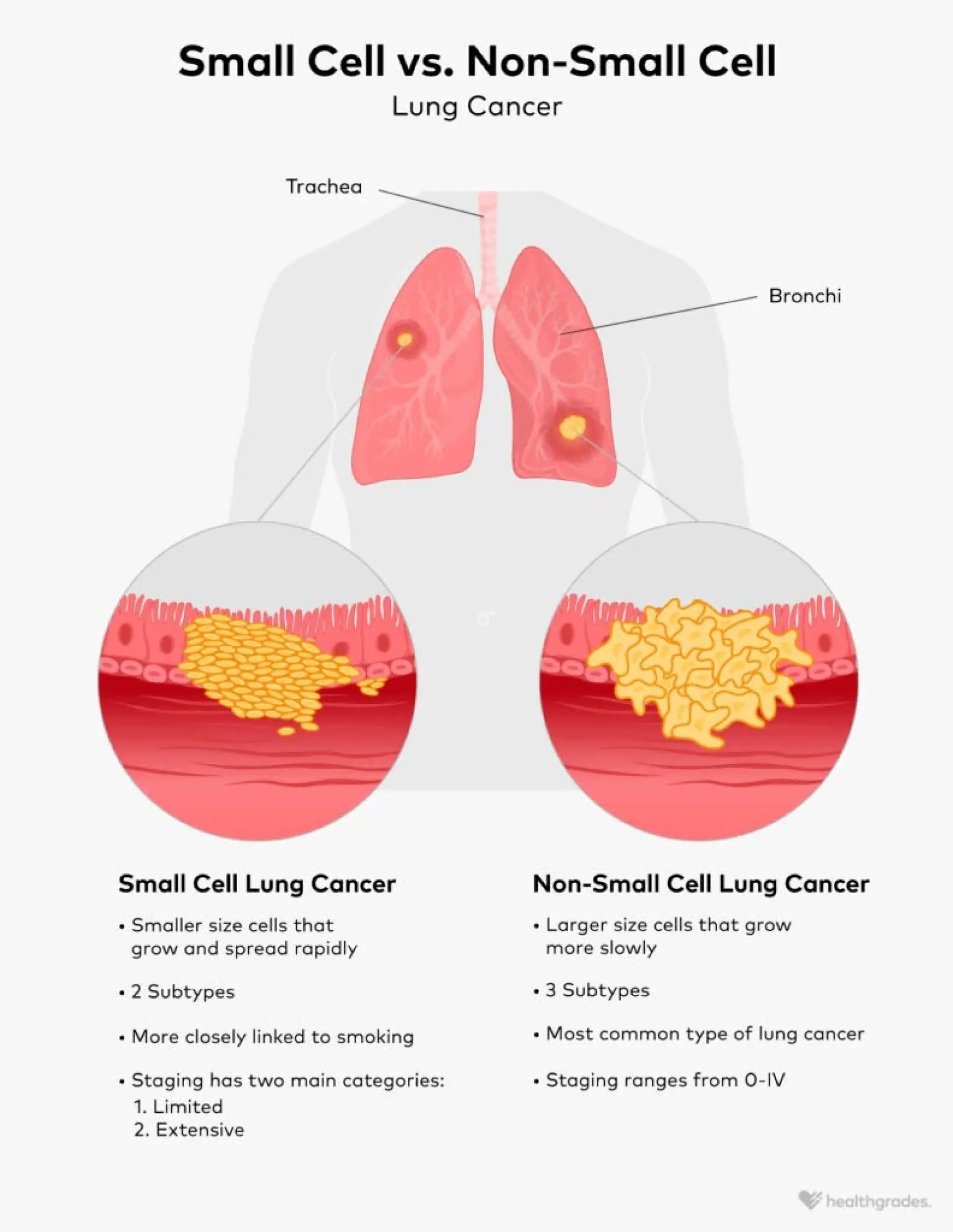
Small cell lung cancer (SCLC) and non-small cell lung cancer (NSCLC) differ in cell type, growth patterns, smoking associations, lung locations, metastasis rates, prognoses, and treatment approaches. SCLC grows rapidly, is linked to heavy smoking, and has a poor prognosis, whereas NSCLC grows slowly, can affect both smokers and non-smokers, and has a better outcome.More
Why do psychologists use the word ‘Client’ instead of ‘Patient’?

In the mental health field, “client” is preferred over “patient” to emphasize collaboration, avoid medicalization, reflect different professional roles, respect autonomy, and adhere to legal and ethical standards. This terminology fosters an equal relationship between therapists and individuals, highlighting therapy as a process of personal growth rather than solely medical treatment.More
Client says had mental brekdown due to relationship concerns

A client expresses struggling with anxiety and depression, fearing the end of his relationship due to negative thoughts about his girlfriend. The response emphasizes self-reflection on personal happiness in the relationship, recommending professional help to understand feelings, and suggests a physical examination to rule out potential health issues.More
More EPPP practice questions!
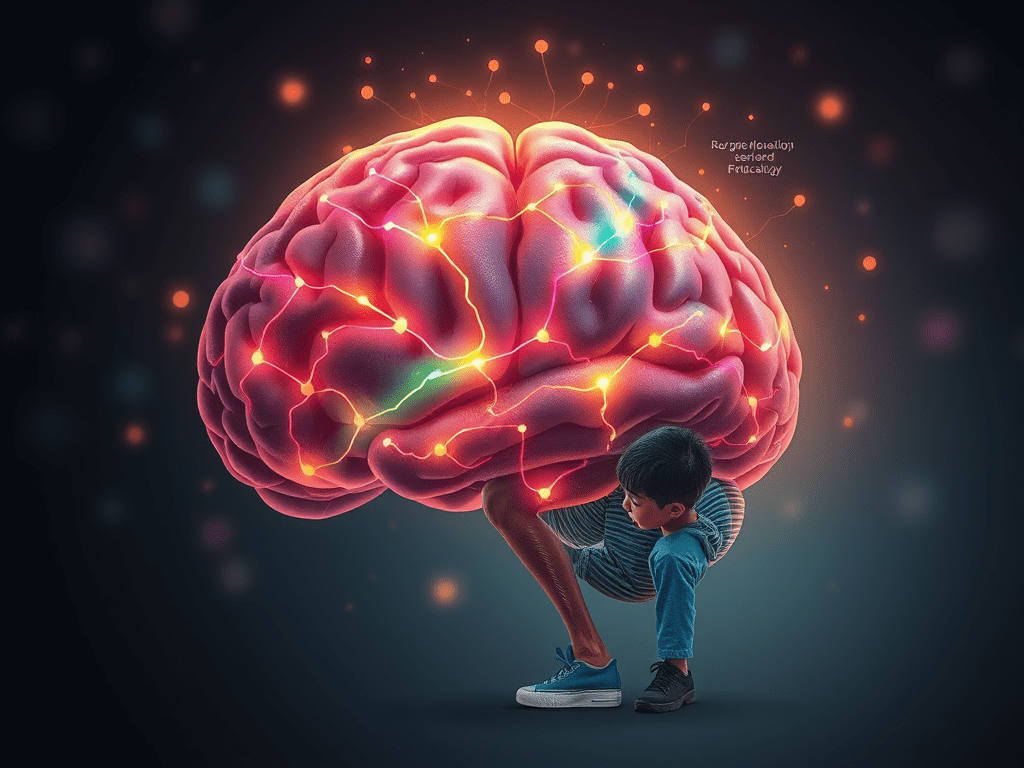
The content discusses various psychological concepts, focusing on the biological, cognitive-affective, and social bases of behavior. Key topics include the role of serotonin in mood regulation and depression, the impact of hippocampal damage on memory, social identity theory and in-group favoritism, IQ scoring percentiles, and cognitive distortions in cognitive-behavioral therapy.More
Let’s do some EPPP questions!

This content presents 20 sample questions and answers from the Examination for Professional Practice in Psychology (EPPP), covering various topics like ethics, diagnosis, biological bases of behavior, and intervention strategies. Each question features an explanation to deepen understanding of psychological principles and practices necessary for the EPPP.More
Images (anthology)
Long COVID: Persistent Challenges Amid Ongoing Research

New York, NY – As the world approaches the fifth anniversary of the COVID-19 pandemic, a significant number of individuals continue to grapple with long COVID, a condition characterized by symptoms persisting for months or even years after the initial infection. Despite advancements in vaccines and treatments, long COVID remains a complex and enduring public…More
 Simon R. Downes