
The content presents five EPPP-style questions across various psychology domains, each with correct answers and explanations for incorrect options. Topics include biological bases of behavior, cognitive-affective issues, social psychology, developmental stages, and mental health diagnoses, showcasing essential concepts for psychology exam preparation.More
Author Archives: Simon Downes, MD, PhD
Medical educator
Breaking the Silence: Mental Health Crises in NYC Schools

In New York City’s low-income neighborhoods, young children face severe mental health challenges, often stemming from unstable home environments. Many lack parental support and school resources to address these issues. The article emphasizes the need for accessible mental health services, trained staff, and community engagement to help these children succeed emotionally and academically.More
Achieving Universal Healthcare in America: Key Steps

Access to comprehensive medical and mental health care remains a major challenge for millions of Americans. While progress has been made through initiatives like the Affordable Care Act, many still face prohibitive costs, inadequate coverage, or lack of access altogether. Moving toward a system that offers free, universal medical and mental health care could transform…More
Understanding Involuntary Psychiatric Commitment for Homeless Individuals in New York

In New York, involuntary psychiatric commitment for homeless individuals is governed by specific laws allowing hospitalization when there’s a clear risk of harm due to mental illness. Recent policy changes are aimed at addressing visible mental health crises, but raise concerns about civil liberties and the adequacy of mental health services for vulnerable populations.More
Using Benadryl When EpiPen Is Not Available

In emergencies without an EpiPen, use Benadryl (diphenhydramine) as a temporary measure during anaphylaxis. It alleviates mild symptoms but is not a substitute for emergency care and epinephrine, which acts much faster. Always call 911 immediately and ensure the person gets proper medical attention.More
Breaking Down Mental Health Discrimination: What We Can Do

In a world where conversations around mental health are growing louder and more frequent, it’s a painful truth that people living with mental illness still face discrimination every day. From subtle social exclusion to outright denial of opportunities in work, housing, or healthcare, stigma continues to shape the lives of millions across the globe. Why…More
When to Take Your Child to the ER for a Fever

Fever in children is common but can indicate serious illness. Infants under 3 months need immediate ER care for fevers above 100.4°F. For babies 3-6 months, seek help for fevers over 102°F. In children 6 months to 5 years, a fever above 103°F requires monitoring, while 6-12-year-olds need ER treatment for fevers over 104°F or concerning symptoms. Always trust your instincts.More
Dr. Janos Marton and the founding of the Living Museum at Creedmoor

Dr. Janos Marton, PhD, MFA, co-founded the Living Museum at Creedmoor Psychiatric Center in 1983, creating a space for psychiatric patients to express themselves artistically. This innovative project promotes healing and dignity, gaining international recognition and inspiring similar initiatives. Marton’s commitment continues to advocate for the rights of individuals with mental illness.More
Key Tools for Psychiatric Evaluation in Hospitals

Psychiatric hospitals use structured assessments to guide treatment and ensure patient safety. Key tools include initial evaluations, mood and anxiety disorder screenings, psychotic symptom assessments, trauma-related evaluations, cognitive condition tests, substance use assessments, and suicide risk assessments. These tools aid in treatment planning, monitoring progress, and discharge decisions.More
Addressing the U.S. Physician Shortage: A Look at IMGs
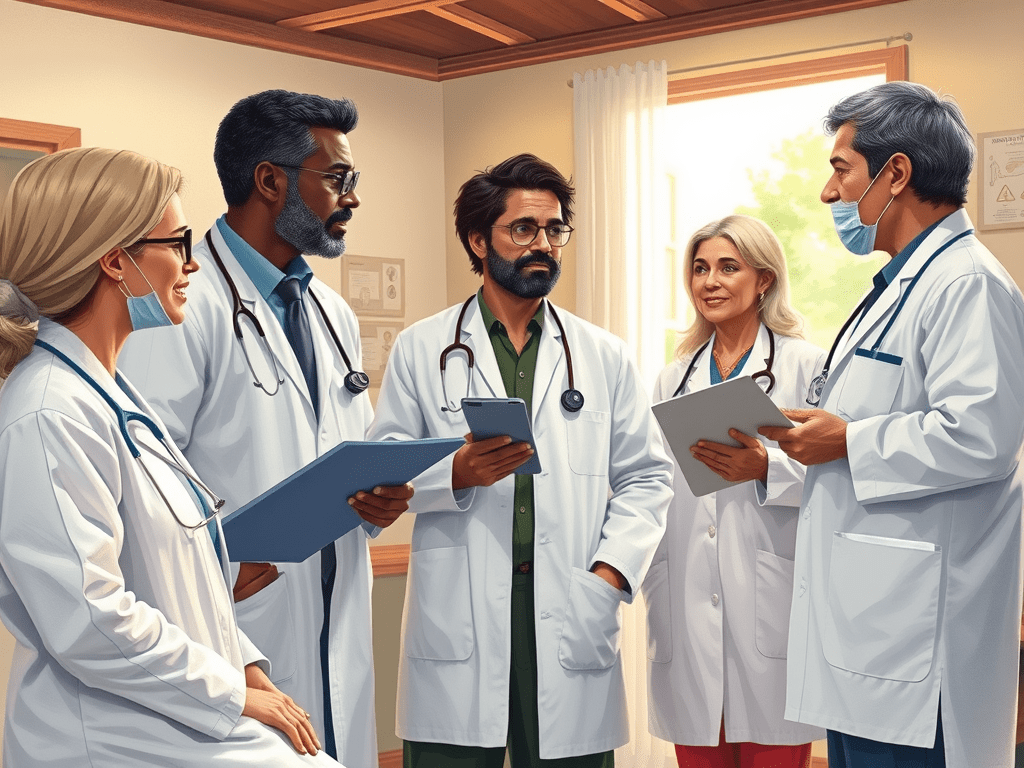
The U.S. faces a physician shortage, especially in rural areas, leading states to consider easing licensing requirements for foreign-trained doctors. Some states have initiated faster integration paths for these qualified physicians to address critical healthcare gaps. However, concerns about quality assurance and fairness to U.S.-trained doctors persist. A balanced approach is essential.More
 Simon R. Downes