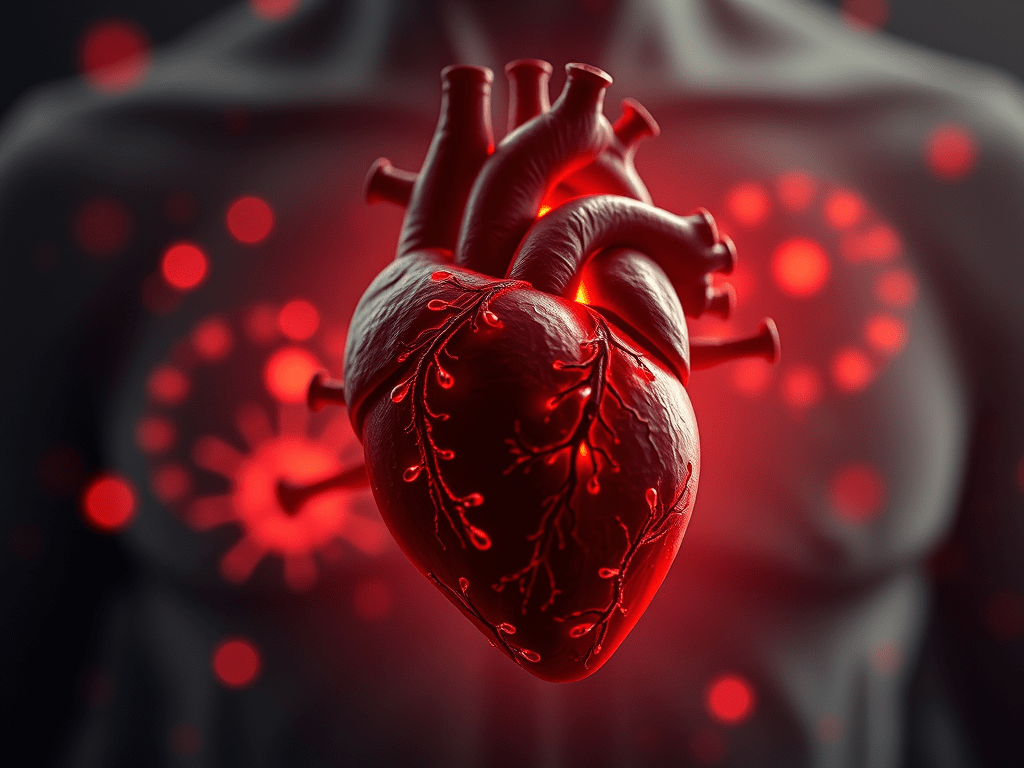
The Lingering Question: What We’ve Learned About Long COVID and Cardiac Problems
The COVID-19 pandemic introduced the world to a complicated, persistent condition known as Long COVID. Among the most concerning and increasingly studied sequelae are the cardiovascular problems, ranging from persistent heart pain to an elevated risk of major events.
Research over the past few years has moved past simple observation and is now zeroing in on the mechanisms behind these troubling symptoms, offering a clearer, though still incomplete, picture of how SARS-CoV-2 impacts the heart.
Key Findings: A Clear Link to Cardiovascular Harm
The overwhelming consensus from major studies is that a COVID-19 infection—even a mild one—significantly increases the risk of developing a range of cardiovascular issues, both during the acute phase and months or years afterward.
1. Increased Risk of Major Cardiac Events
Studies tracking patients for up to three years post-infection show a persistent elevated risk for serious events, including:
- Heart Attack (Myocardial Infarction)
- Stroke
- Heart Failure
- Premature Death from any cause
For individuals who were hospitalized, this risk is especially pronounced, but research has consistently found that even non-hospitalized cases confer a higher long-term risk for cardiovascular events compared to those who were never infected.
2. Specific Conditions: Myocarditis, Pericarditis, and Inflammation
The unexplained chest pains and palpitations frequently reported by Long COVID patients are often linked to inflammation of the heart and its surrounding tissues:
- Myocarditis: Inflammation of the heart muscle.
- Pericarditis: Inflammation of the sac surrounding the heart (pericardium).
Advanced imaging, such as PET/MRI, has shown persistent inflammation and abnormalities in the heart muscle and blood vessels of Long COVID patients up to a year after infection, even when routine medical tests appear normal. This chronic, low-grade inflammation is a suspected driver of the long-term cardiac damage.
3. Autonomic Nervous System Dysfunction
One of the most common and debilitating cardiac-related issues is autonomic dysfunction, or Dysautonomia.
- This involves the nervous system that controls involuntary bodily functions, including heart rate and blood pressure.
- The most well-known manifestation is Postural Orthostatic Tachycardia Syndrome (POTS), where a simple change in posture (like standing up) causes an abnormally large increase in heart rate, leading to dizziness, fatigue, and palpitations. This is a primary cause of the unexplained heart-related discomfort many people experience.
The Mechanism of Damage: Why the Heart Suffers
Researchers are exploring several potential biological mechanisms that connect the initial SARS-CoV-2 infection to chronic cardiac problems:
| Mechanism | Description |
| Chronic Inflammation | The initial immune response to the virus lingers, leading to persistently elevated inflammatory markers. This damages the heart muscle, the lining of blood vessels (endothelial dysfunction), and can contribute to the rupture of existing plaque in arteries. |
| Direct Viral Injury | Evidence suggests the virus can directly infect the cells lining the arteries and the heart muscle itself, triggering local inflammation and damage. |
| Hypercoagulability | COVID-19 causes the blood to become more prone to clotting, increasing the risk of blood clots that can lead to heart attack and stroke. |
| Autoimmunity | The infection may trigger an autoimmune response where the body’s immune system mistakenly attacks its own tissues, including the heart and the nerves that regulate it. |
The Path Forward: Treatment and Long-Term Care
While a single, definitive cure for Long COVID-related heart problems remains elusive, the learned information is guiding treatment strategies:
- Diagnostic Tools: The emphasis is shifting toward more sensitive tests, like cardiac MRI and PET/MRI, to detect subtle scarring and inflammation that are often missed by standard ECGs and echocardiograms.
- Targeting Inflammation: For confirmed inflammation (myocarditis/pericarditis), standard anti-inflammatory treatments are often used.
- Addressing POTS/Dysautonomia: Treatment often involves a combination of lifestyle changes (increasing salt/fluid intake), medications to regulate heart rate and blood pressure, and specialized physical therapy.
- Cardiac Rehabilitation: Structured, personalized exercise programs are recommended to aid recovery, particularly for those with sustained cardiovascular abnormalities.
In conclusion, we have learned that the cardiovascular fallout from COVID-19 is real, lasting, and can affect people regardless of initial disease severity. The focus of current research is to pinpoint the exact biological cause in each patient so that these unexplained heart pains and long-term risks can be effectively managed and prevented.

 Simon R. Downes