Case Presentation
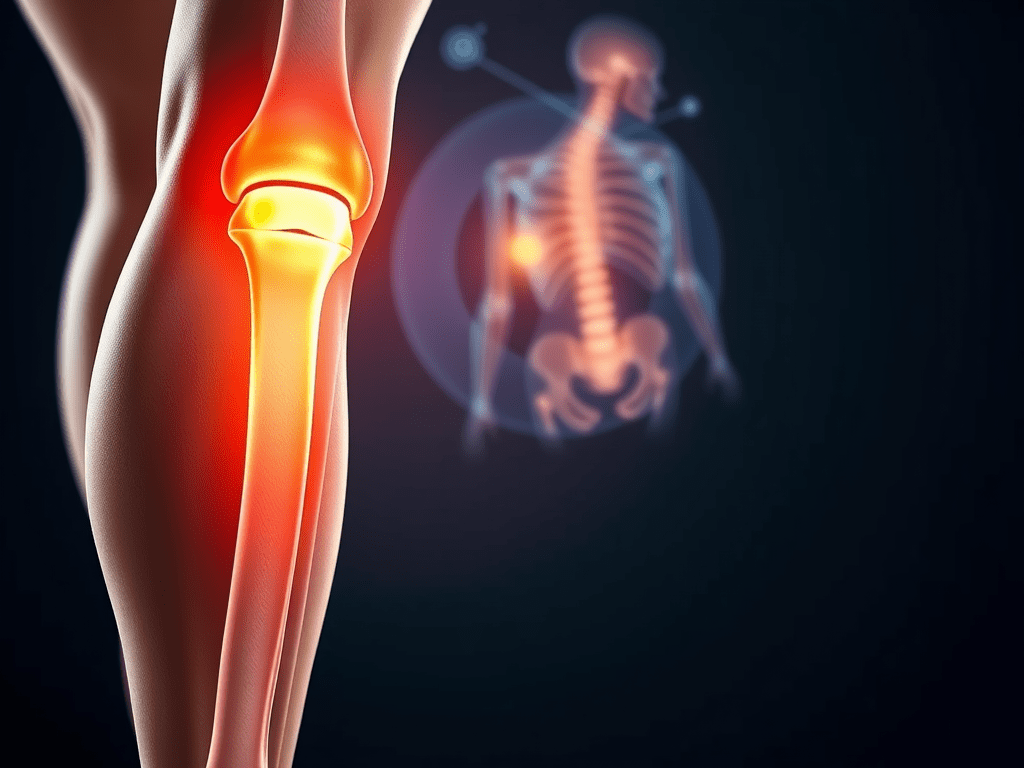
A 62-year-old female presents with intermittent severe pain on the lateral side of the left tibia. The pain is spontaneous, lasts about 24 hours, and is not related to exercise. She has a history of atrial flutter treated with ablation, transient ischemia on a stress test (suspected LAD spasm), and suspected microvascular dysfunction triggered by sugary foods and caffeine.
She is otherwise active, working in a physically demanding job involving heavy lifting.
Physical Examination
- No swelling, erythema, or tenderness over the tibia.
- Normal range of motion in the knee and ankle.
- Pulses are intact.
Based on the presentation of intermittent severe pain on the lateral side of the left tibia, lasting 24 hours without exercise-related triggers, a few potential diagnoses come to mind:
Differential Diagnosis
- Microvascular Ischemia / Small Fiber Neuropathy
- Given the history of suspected microvascular dysfunction, intermittent pain could be due to small fiber neuropathy or microvascular ischemia affecting the periosteum or nerves around the tibia.
- Bone Stress Reaction / Insufficiency Fracture
- While the pain is not linked to activity, bone fragility (e.g., osteopenia, osteoporosis, or past vascular issues) could contribute to stress-related microfractures that present with episodic pain.
- Chronic Exertional Compartment Syndrome (CECS) or Nerve Entrapment
- If the pain sometimes occurs after standing for long periods or lifting, mild compartment syndrome or nerve compression (e.g., superficial peroneal nerve entrapment) might be a factor.
- Referred Pain from Lumbar Radiculopathy
- Consider L4-L5 nerve root irritation (due to spine degeneration or mild herniation) as a cause of episodic leg pain without local signs of inflammation.
- Atypical Inflammatory Condition (CRPS or Vasculitis?)
- Complex Regional Pain Syndrome (CRPS) or small vessel vasculitis could present with intermittent pain without clear trauma.
Next Steps
- MRI of the tibia to rule out stress fractures, periosteal edema, or vascular changes.
- Doppler ultrasound to assess for vascular insufficiency.
- Neurology referral if neuropathy is suspected.
Doctor: Good morning! What brings you in today?
Patient: I’ve been having this intermittent, severe pain on the outside of my left shin. It lasts about a day and then disappears.
Doctor: I see. How long has this been going on?
Patient: A few months now. It happens randomly—there’s no injury, and it’s not from exercise.
Doctor: Does anything make it better or worse?
Patient: Not really. Painkillers don’t seem to help much. It just comes and goes on its own.
Doctor: Is there any swelling, redness, or warmth when it happens?
Patient: No, it looks normal. It just hurts a lot.
Doctor: Do you have any numbness, tingling, or weakness in the leg?
Patient: No weakness, but sometimes it feels a little sensitive.
Doctor: Okay. Given your history of atrial flutter and suspected microvascular issues, we need to consider a few possibilities. This could be related to nerve irritation, small vessel circulation issues, or even a subtle bone stress injury. Have you noticed any triggers, like certain foods or activities?
Patient: I have noticed that sugar and caffeine sometimes make my symptoms worse, but I’m not sure if it’s related.
Doctor: That’s important to note. We should do some tests, including an MRI to check the bone and soft tissues, and possibly a vascular ultrasound to assess blood flow. Depending on the results, we might also refer you to a neurologist to rule out nerve involvement.
Patient: That sounds like a good plan. Should I avoid anything in the meantime?
Doctor: Try to stay well-hydrated, avoid excessive sugar and caffeine, and keep track of when the pain happens. If it worsens, becomes constant, or you notice swelling or skin changes, let me know immediately.
Patient: Got it. Thanks, doctor.
Doctor: You’re welcome! We’ll get to the bottom of this.

 Simon R. Downes