
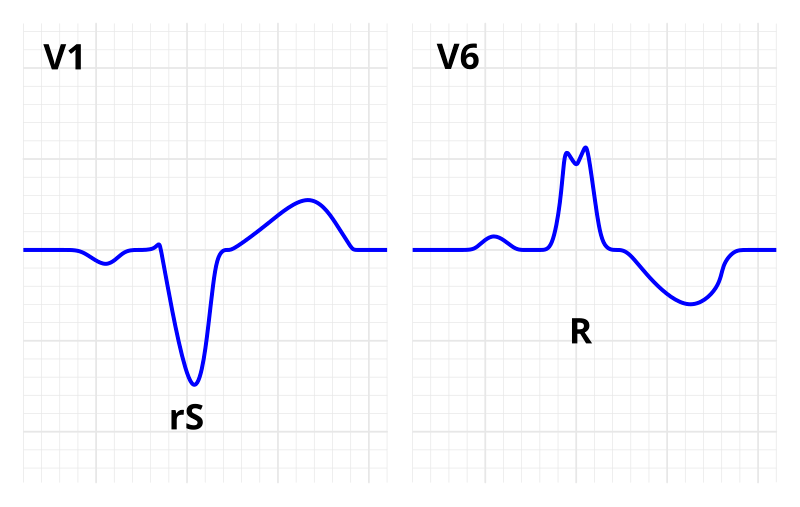
Left bundle branch block (LBBB) is a condition in which there is a delay or blockage in the electrical conduction through the left bundle branch of the heart’s conduction system. This causes the left ventricle to contract later than the right ventricle, resulting in an abnormal QRS complex on an ECG.
While the exact mechanism of LBBB itself is typically related to structural heart issues (e.g., myocardial infarction, hypertensive heart disease, or cardiomyopathies), there are a few reasons why stretching might seem to “resolve” or alleviate the symptoms of LBBB:
- Improved Blood Flow and Oxygenation: Stretching, particularly when it involves deep breathing or physical movement, can improve overall blood circulation, including to the heart. This might reduce some of the stress on the heart and its conduction system, leading to temporary relief or less noticeable symptoms of LBBB.
- Autonomic Nervous System Modulation: Stretching and physical movement influence the autonomic nervous system (ANS). Stretching, especially when done in a controlled and mindful manner, can activate the parasympathetic nervous system (the “rest and digest” part), which could lead to a slowing of the heart rate or reduction of sympathetic nervous system overactivity. This may have a beneficial effect on the electrical conduction system, temporarily “improving” the appearance of the heart’s electrical signals or making the LBBB less prominent.
- Positioning and Mechanical Changes: In some cases, body posture and movement can change the mechanical dynamics of the heart and surrounding structures. Stretching and moving can relieve tension in the chest and upper body, which may temporarily improve the electrical propagation in the heart. However, this is more of a mechanical improvement rather than a direct resolution of the block itself.
- Perception of Symptoms: It’s possible that stretching leads to a reduction in symptoms like discomfort or palpitations associated with LBBB, even though the conduction defect itself remains. This could be because stretching might help relax the body or decrease the feeling of chest tightness, leading to a temporary decrease in symptom severity.
- Respiratory Influences: Stretching often involves deep breathing, which can increase lung expansion and improve oxygenation. Enhanced oxygenation can help the heart function more efficiently, potentially reducing some of the symptoms or discomfort associated with LBBB.
While stretching may offer short-term relief in terms of comfort or symptom severity, it doesn’t “cure” LBBB or resolve the underlying conduction problem. For any heart rhythm or conduction disorder, it’s crucial to follow medical advice for treatment and management. If you’re noticing significant or frequent symptoms of LBBB, such as shortness of breath, dizziness, or chest pain, it’s important to consult a healthcare provider for further evaluation.

 Simon R. Downes